
 1005 Alcyon Dr Bellmawr NJ 08031
 +1 484-446-2566
 support@bmcpros.com
If you invest in real estate (multi-person apartments, Airbnbs, commercial properties, and even self-storage), you already know that taxes can quickly consume your profits.
But now there is an easy legal way to reduce your taxable income and keep more hard work in your pocket.
Called Cost separationIf you haven’t used it yet, you may miss out on thousands of dollars (or even tens of thousands) of dollars in savings.
In this article, I will explain exactly how cost separation works, why it is such a powerful strategy, and how to leverage it to save the biggest real estate taxes, no matter what size investor you are.
What is depreciation (why is it important)?
Before we go deep into cost isolation, we need to talk about depreciation because that is the foundation of the overall strategy.
Depreciation is Phantom fee. This is not the actual money spent from your bank account, but the IRS allows you to delete it because they understand that your property is reasonably worn out over time.
Even if your building gets valuethe IRS allows you to deduct a portion of its costs each year. The standard depreciation period for residential properties is 27.5 years; for commercial properties, it has been 39 years.
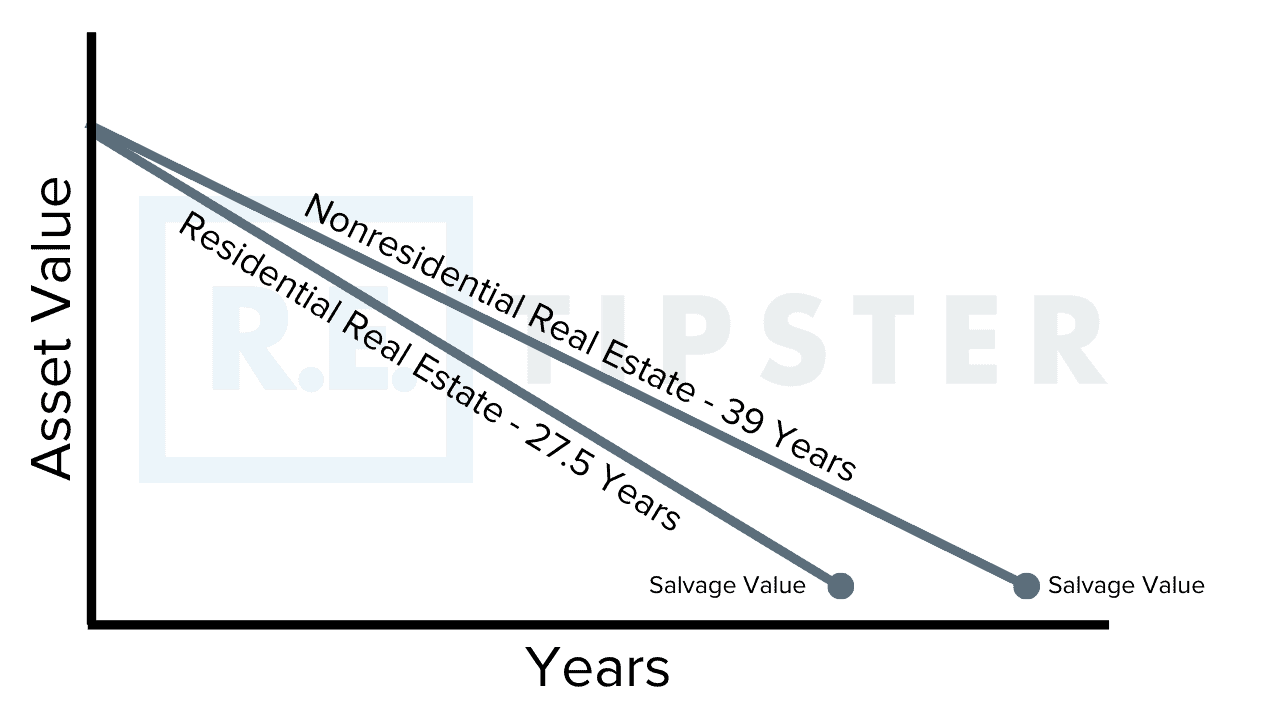
This time writes reduce your taxable income every year, which effectively saves you money, No touching your actual cash flow.
How to work for cost separation
Usually, you will devalue your property within 27.5 or 39 years.
Cost isolation takes a smarter approach. Instead of treating the entire building as a unit, a cost isolation study devalues all the set buildings, devaluing the property into smaller components such as electrical systems, flooring, cabinets, parking lots, landscaping, etc.
This is the key: Some items can be depreciated faster (within 5 years, 7 years, or 15 years) rather than waiting for decades.
Accelerating the depreciation rate of certain components can add to greater upfront tax relief, which means more cash flow, more reinvestment opportunities and faster wealth building.
Related: How to calculate the land value of taxes and depreciation
Why use Maven cost isolation?
There are many companies that can provide cost isolation research, but not all create equality.
take Maven Cost IsolationFor example.
They have an internal team of certified civil engineers and accountants (not outsourced to random suppliers).
Their chief CPA Sean Graham personally reviewed and signed all cost isolation reports to ensure aggressiveness and full IRS compliance.
They provide a condensing engineering study for smaller properties, and cost isolation can be affordable even for everyday investors.
When you work with Maven, you not only have to do basic analysis, but also have thorough, solid research that you and your CPA can trust.
Maven’s simple process
If you use Maven cost isolation, you can use the following:
- Free consultation – Quick call to see if cost isolation makes sense for your property.
- Property Review – For on-site inspection of smaller properties or simple simplified photo process.
- Asset decomposition – They classify qualified property components into faster depreciation categories.
- Final report – You will receive a detailed, IRS-compliant report ready to be submitted with tax.
Most investors who have gone through this process see real financial gains almost immediately.
Real-world example: How much can you save?
Suppose you buy a property for $1 million. If you depreciate normally, your sales will cost about $36,000 per year.
But with a cost isolation study, Maven may find a $250,000 component that qualifies for faster depreciation.
Under current IRS bonus depreciation rules, you can deduct most or all of the amounts in the first year, thus giving you a significant savings on taxes.
Is there any catch?
There is a small warning called depreciation.
If you sell your property shortly after you have conducted a cost isolation study, the IRS may require you to “rededuct some of these deductions” at a higher tax rate.
But the good news: You can avoid or delay the following strategies:
- 1031 Exchange (remit profits to new properties)
- Delaware Statutory Trust (DST)
- installment
- Keep property longer
Bottom line? If you have a solid plan, depreciation reclaim is not a deal-breaker.
Is cost isolation only applicable to large investors?
Absolutely not! This is one of the biggest myths about cost isolation.
Thanks to companies like Maven, even for $150,000 rental properties, owners of Airbnbs or small self-storage facilities can benefit from a cost isolation study.
This is not only a tool for large institutional players, but a tax strategy that any savvy investor can use.
How to get started
If you’re curious about how much cost isolation can save you, Maven has a free online calculator that allows you to estimate quickly.
👉Click here to check it out.
Or better yet, schedule a free consultation with Sean Graham to determine what a personalized cost isolation study might mean for your property.
Pressure is zero; in the worst case, you will have a better understanding of tax options. At best, you may only save thousands this year.
The final thought
Cost isolation is one of the smartest ways to maximize real estate tax savings, it is completely legal, completely approved by the IRS, and underutilized by the average investor.
If you are looking for a way to increase cash flow, pay less taxes and increase your portfolio faster, this strategy deserves serious consideration.
Don’t put money on the table! Take advantage of cost isolation and see how much you can save.